Mind the Gap – Bridging the Gap Initiative
 admin
adminAs the Youth Coordinator in the Buganda Heritage Association and the Cultural Lead for the Buganda North London Core, I have developed a deep passion for advancing the Mind the Gap / Bridging the Gap initiative. My commitment is rooted in my own lived experience as a young Muganda growing up in the UK, shaped by family, community networks, and the realities of turbulent times in Uganda.
The initiative is inspired by a desire to connect youth and adults, promote cultural understanding, foster confidence, and build sustainable community structures grounded in Buganda values.

Personal Journey & Calling
My life journey — from growing up during difficult times in Uganda, schooling in the UK, serving within the faith community, working in the NHS, and volunteering in mental health outreach — exposed me to the gaps that exist between generations, cultures, and communities.
These experiences awakened a strong calling:
- To understand youth from their own perspective
- To create safe spaces for dialogue between young people and adults
- To preserve Buganda cultural identity and norms
- To respond to the Nnaabagereka’s call for Obuntubulamu
- To build therapeutic and supportive community networks
Becoming a heir (omusika) at a young age further deepened my commitment to cultural continuity and leadership.
Why “Mind the Gap”?
The need for this initiative arises from a clear concern:
Our cultural knowledge, identity, and communal awareness have shrunk across generations.
Buganda has vast untapped resources within its people — a rich heritage embedded in:
- Language
- Norms
- Behaviours
- Community values
These treasures sustain identity (kituufu kii kyetuli). However, generational disconnects have created gaps in how these values are passed on.
Work Undertaken So Far
Over the last two years, my approach has involved:
- Negotiating and engaging with parents, youth, faith leaders, and cultural leaders
- Supporting families facing mental health challenges
- Working in line with the Nnaabagereka’s Obuntubulamu agenda
- Creating youth engagement opportunities through shared dialogues
- Introducing youth to Buganda values and cultural norms
- Building foundational ideas for a long-term community-development model
This framework is ongoing, evolving, and open to revision as new challenges arise.
Youth–Adult Virtual Meeting Space
This space aims to strengthen the relationship between youth and adults within the community.
Objectives
- Build community spirit and leadership
- Help adults pass on values confidently
- Empower youth to express themselves
- Encourage youth involvement in everyday community responsibilities
- Create open channels for cultural transfer and mentorship
Points of Reference
The initiative encourages youth to assist adults with “dotcom” challenges — technology, modern behaviour, and lifestyle changes.
Background Evidence
The programme began informally:
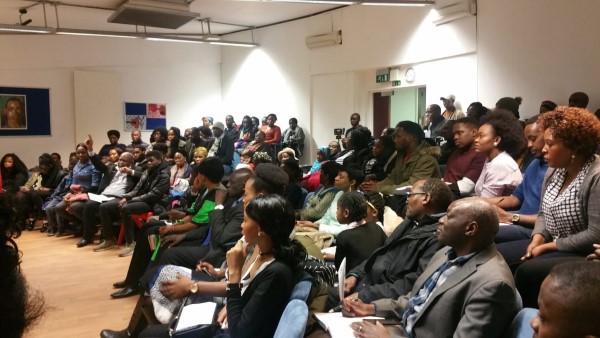
- After church services, small discussions took place at a corner table — symbolising shared values and curiosity
- A youth group was introduced to Nnaabagereka’s Obuntubulamu programme
- This group created presentations, poems, and drama pieces addressing knife crime awareness
- Their confidence grew as they engaged adults and community leaders directly
- The response from the community was overwhelmingly positive
These interactions revealed a powerful truth:
Youth want to be heard, and adults benefit from listening.
Managing the Interface
Key questions guide the engagement:
- Why do youth and adults rarely speak meaningfully?
- How can we create better opportunities for interaction?
- How often should these interactions occur?
The Way Forward
- Assign youth responsibilities traditionally done by adults (e.g. serving at community events)
- Create structured interaction times
- Build confidence on both sides
- Encourage families to support these sessions
Often, youth appear uninterested not because they don’t care, but because they were never introduced or invited into community participation.
Operational Framework (Format)
After monthly community services:
- 10–15 minutes of “Bridging the Gap” discussion
- Youth choose an adult they rarely speak to
- They introduce themselves — ideally in Luganda
- They ask adults meaningful questions about:
- Growing up in Uganda
- Migration experiences
- Challenges in the UK
- Hopes for youth born in the UK
- What cultural identity means abroad
Role of Adults
- Mostly listen
- Offer gentle feedback
- Provide insights to youth leaders
- Strengthen cultural continuity
Collaborative Action & Evaluation
- Youth presentations are reviewed collaboratively with adults
- Elders monitor progress
- Feedback loops ensure continuous improvement
- The key metric: Impact
The Impact Questions
- Are we promoting Buganda cultural values?
- Are we preserving traditions and language?
- Are we building confident, grounded youth?
- Are we strengthening community cohesion?
The Youth Crime Awareness group stands ready to expand this model to more communities.
Framework of Engagement (Entandikwa y’Okumanyigana)
- A youth selects an unfamiliar adult
- Introduces themselves in Luganda
- Initiates conversation about identity, migration, Uganda, opportunities, and belonging
- Adults listen with empathy and cultural responsibility
This builds a community rooted in:
- Integrity
- Belonging
- Identity
- Confidence
It is a stool of leadership.
Philosophical Foundations
- Ubuntu – “I am because we are.”
- Obuntubulamu – Respect, empathy, good citizenship, and shared humanity.
Both philosophies highlight:
- No one stands alone
- Everyone carries valuable knowledge
- Dialogue is essential for community survival
Quality Improvement
We must reinvigorate the cultural value of appreciation and reinforce principles such as:
- Unity
- Leadership
- Responsibility
- Ethics and norms
This initiative is inclusive — not limited to Buganda — but open to all who share in its moral and cultural foundations.
Final Note (Okujjukiza)
- Okusigalawo – Continuity
- Obumu – Unity
- Obukulembeze – Leadership
- Obwanannyini – Responsibility
- Empisa ne Nnono – Manners and Culture
These pillars uphold our language and identity.
Ssuubi Academy is one of the building blocks contributing to this mission.