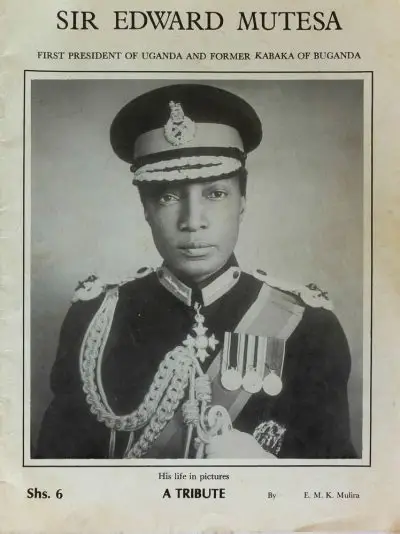
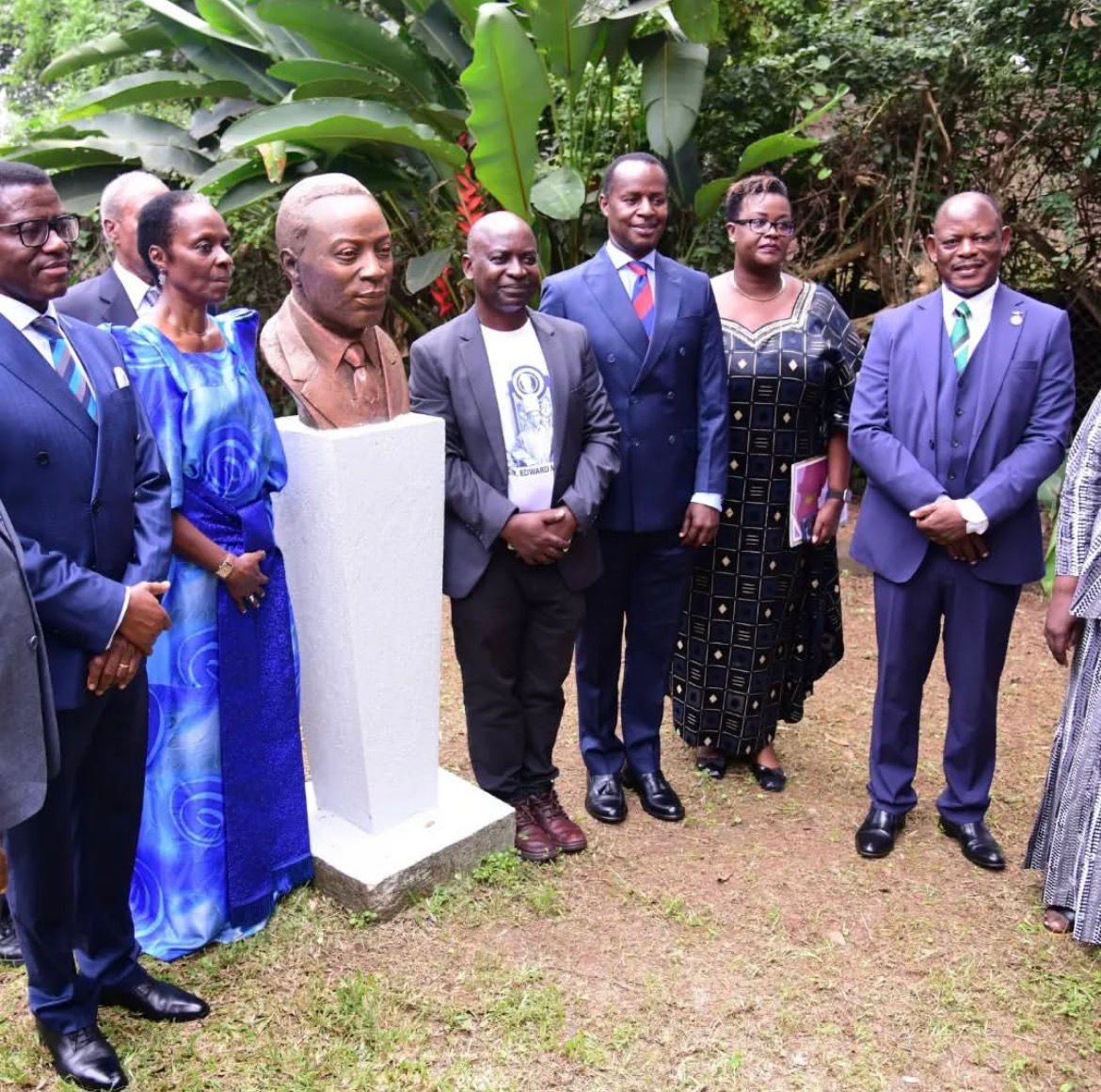
King Edward Muteesa II (1924–1969), the 35th Kabaka of Buganda and the first President of independent Uganda, remains one of the most influential figures in the nation’s history.
Admired both at home and abroad, he was affectionately known as “King Freddie.” His life reflects extraordinary leadership, military achievement, political resilience, and deep devotion to his people.
History of Sekabaka Edward Mutesa II
Play Now
A Leader Shaped by Service and Courage
Born into royalty yet grounded by duty, Muteesa II studied at Magdalene College, Cambridge, where he demonstrated exceptional discipline and intellect. He joined the University Officer Training Corps and later became the first Black Commissioned Officer in the Grenadier Guards, one of the most senior infantry regiments in the British Army — a historic milestone that earned him widespread respect. regiments in the British Army — a historic milestone that earned him widespread respect.regiments in the British Army — a historic milestone that earned him widespread resregiments in the British Army — a historic milestone that earned him widespread respect.pect.
Trials, Exile, and Unyielding Loyalty
As King of Buganda, Muteesa II refused to endorse colonial plans for an East African Federation, fearing it would weaken Buganda’s autonomy. His resistance led to his first exile in the United Kingdom from 1953 to 1955, but his principled stand made him a symbol of dignity and determination.
Despite political pressures, he remained committed to the welfare of his people, returning to Uganda to resume his royal duties with renewed resolve.
Uganda’s First President
In 1963, Muteesa II made history by becoming the first President of Uganda, symbolizing unity in the newly independent nation. His leadership was marked by humility and sacrifice — he famously donated his entire presidential salary to support development in underserved regions of Uganda.
Political conflicts with Prime Minister Milton Obote escalated into the tragic 1966 attack on Mengo Palace, led by Commander Idi Amin. Forced to flee, Muteesa II entered his second exile in the United Kingdom, where he settled modestly at 28 Orchard House, Lower Road, Southwark, far from the grandeur of his royal position.
While in exile, Muteesa II continued to embody service. He volunteered as a social worker, assisted the elderly and vulnerable, and contributed to the Carr-Gomm Society, a local welfare organization. His humility, generosity, and quiet strength left a lasting impact on the Southwark community.
His Final Days and Enduring Legacy
On the 21st November 1969Mutesa II died under mysterious circumstances in his flat at Orchard House. His passing shook the Buganda Kingdom and the entire nation. In 1971, his body was returned to Uganda and laid to rest in the sacred Kasubi Tombs, now a UNESCO World Heritage site. Today, he is remembered not only as a king and president but as a symbol of resilience, dignity and compassion
Honour the Legacy with Us
Great change begins with simple acts of remembrance. Join us in preserving the story of Ssekabaka Edward Muteesa II, one contribution, one gesture, one step at a time.