The Legacy of Ssekabaka Edward Muteesa II: A Monarch, A Statesman, A Symbol of Uganda’s Resilience
-
by
admin
- No Comments on The Legacy of Ssekabaka Edward Muteesa II: A Monarch, A Statesman, A Symbol of Uganda’s Resilience
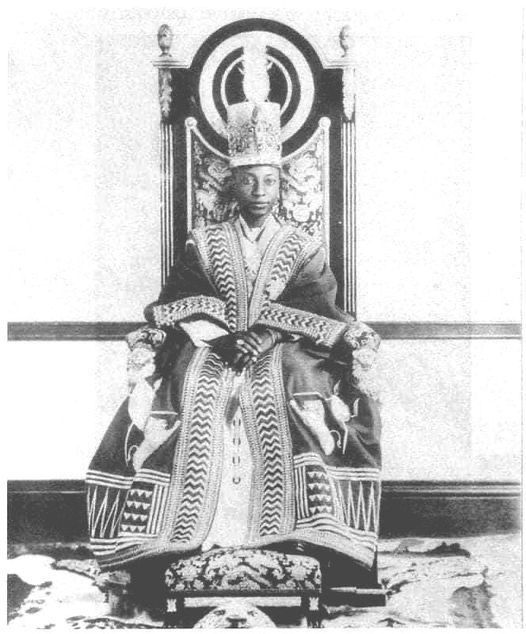
Ssekabaka Edward Frederick Muteesa II remains one of the most influential figures in Uganda’s political and cultural history. His life embodied leadership, sacrifice, diplomacy, and national unity, leaving behind a legacy that continues to shape the identity of Buganda and Uganda at large.
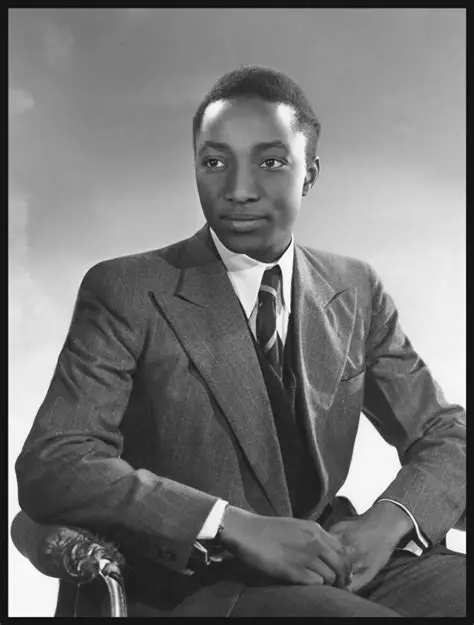
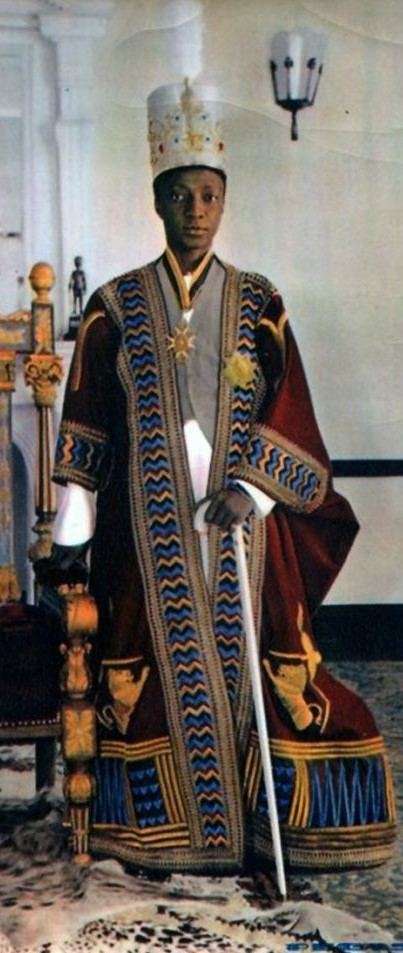
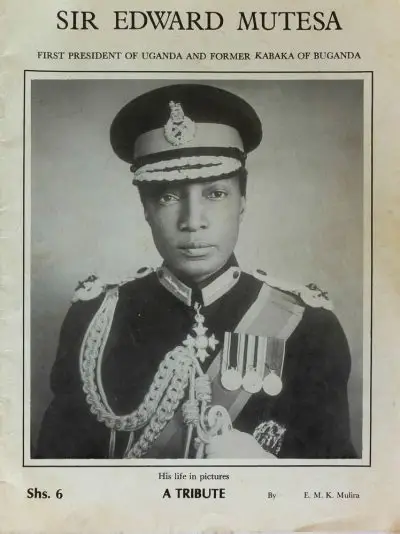
Early Life & Education
Born in 1924, Muteesa ascended to the throne of Buganda at the age of 16, making him one of the youngest Kabakas in modern history. His education at King’s College Budo and later at Magdalene College, Cambridge, exposed him to global political thinking and leadership models that would later influence his stewardship of Buganda.
During his time in the UK, he joined the University Officer Training Corps and was commissioned as a Captain in the Grenadier Guards, becoming the first Black Commissioned Officer in that prestigious regiment. His military discipline and strategic worldview would later define his political leadership.
Leadership & Statesmanship
As Kabaka, Muteesa fiercely defended the interests of Buganda and Uganda. He resisted colonial attempts to create an East African Federation that would weaken Buganda’s autonomy. His refusal led to his exile from 1953–1955 — a period that strengthened his international standing as a principled leader.
Following Uganda’s independence, he became the first President of Uganda (1963–1966) under the 1962 constitution, serving as a unifying national figure.
Exile & Final Years
Political tensions with Milton Obote escalated into a military attack on his palace (Mengo) in 1966, led by Idi Amin. Muteesa fled into exile in the UK, where he lived modestly, serving voluntarily in community welfare organisations such as the Carr-Gomm Society, supporting the elderly, the homeless, and vulnerable families.
Despite being a former President and Kabaka, he embraced humility and service, often volunteering anonymously.
Muteesa II died under mysterious circumstances in 1969, at his apartment in Southwark, London. His remains were repatriated in 1971 and laid to rest at the Kasubi Royal Tombs, a UNESCO World Heritage Site.
A Legacy of Courage and Cultural Pride
Muteesa’s legacy lives on through:
- cultural renaissance movements in Buganda
- diaspora communities preserving language and values
- political history of modern Uganda
- this very Legacy Project, honouring him with monuments in Uganda and the UK
His story stands as a reminder that leadership rooted in dignity, identity, and service is timeless.fe might just change the world.